


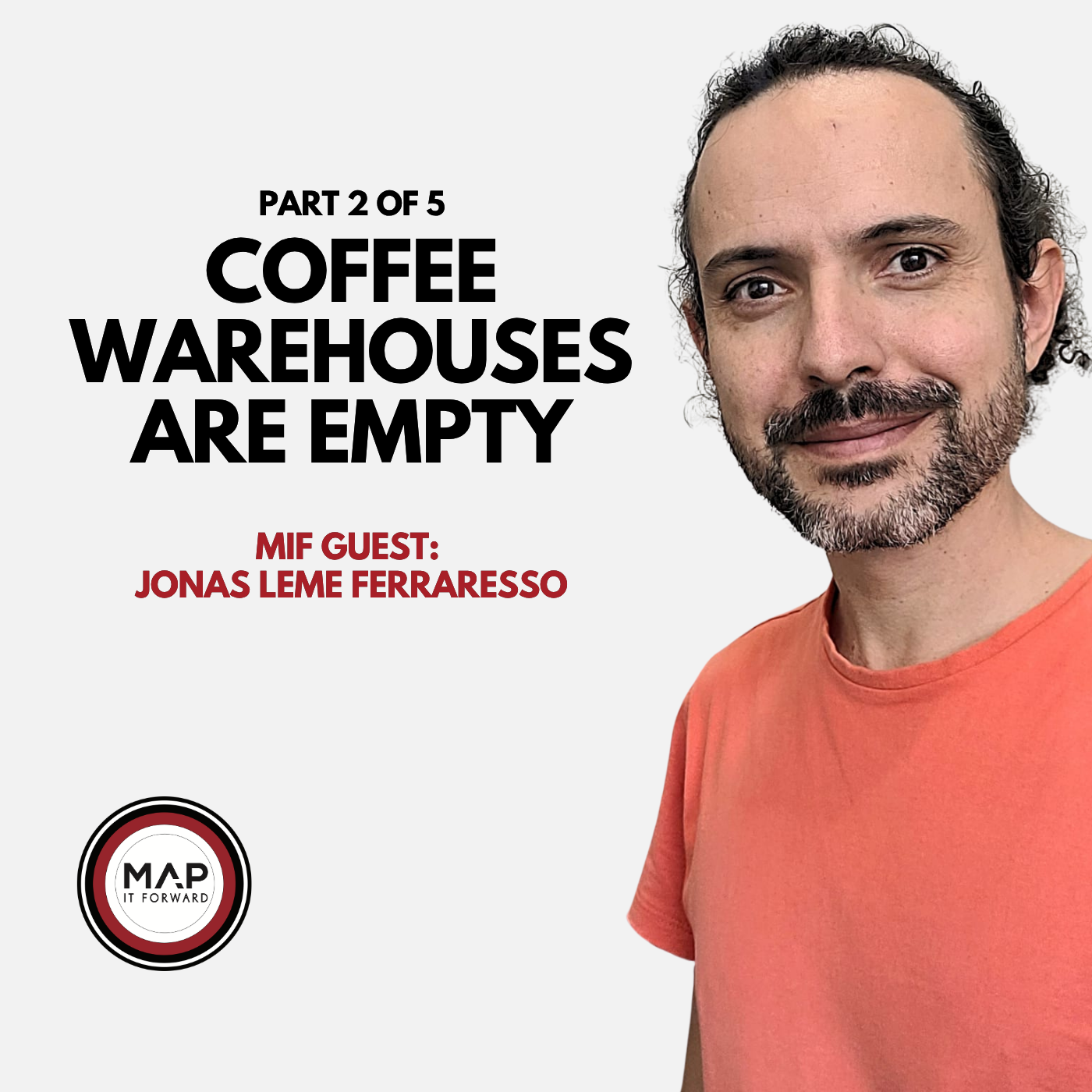
Part 2 of 5: Coffee inventories influence far more than many people realize. Jonas Leme Ferraresso explains what remains from Brazil's 2025 crop, why warehouse stocks have become increasingly important, and how declining inventories can amplify uncertainty across the global coffee market even while a new harvest is underway.
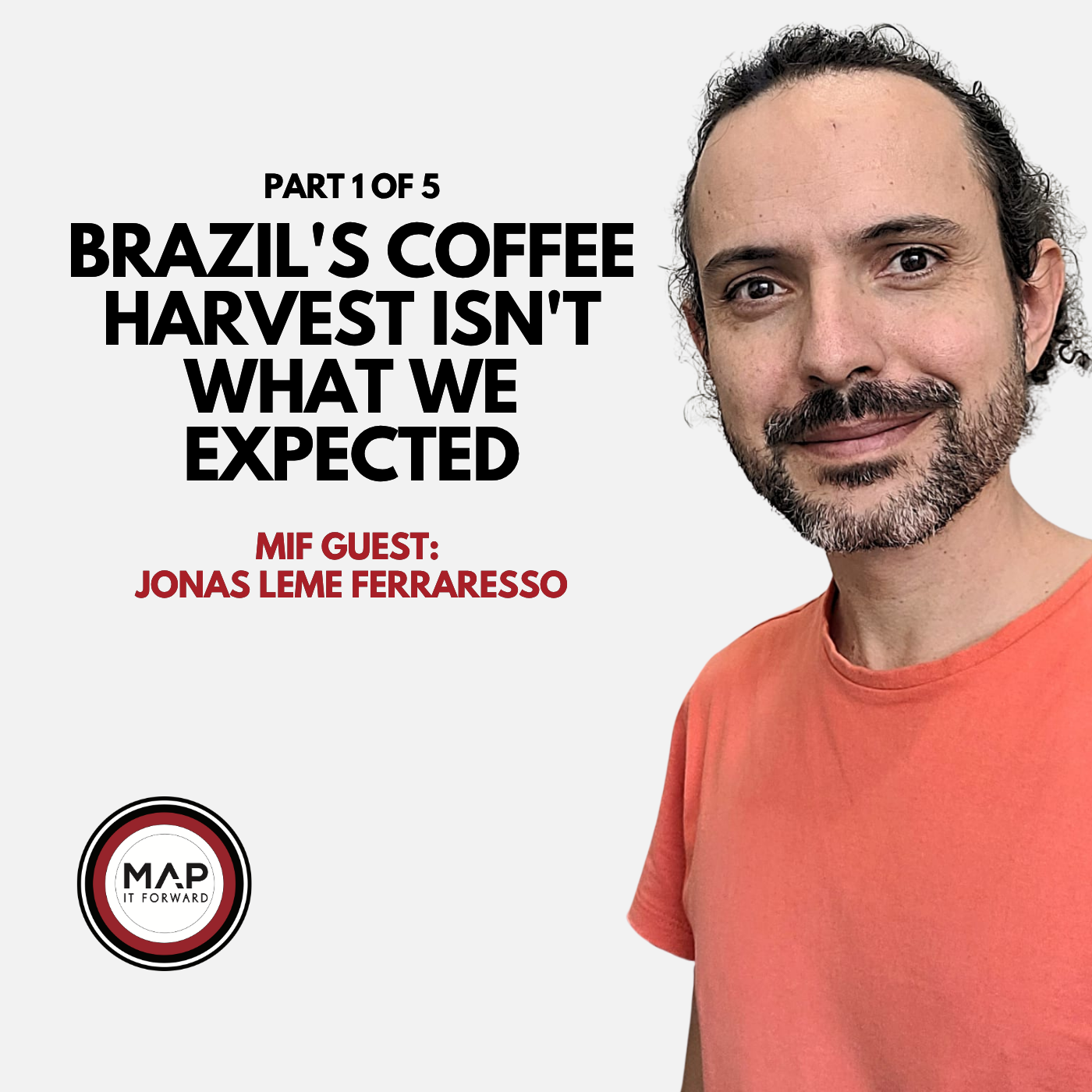
Read MorePart 1 of 5: Many expected Brazil's 2026 coffee harvest to flood the market and send prices sharply lower. Instead, conditions on the ground are telling a very different story. Brazilian agronomist Jonas Leme Ferraresso explains why expectations have shifted, what producers are actually experiencing, and why understanding field conditions matters far more than following headlines or market speculation.
Read MorePart 5 of 5: What should coffee roasters be doing now to prepare for the next phase of volatility? Ana Maria Donneys shares practical advice drawn from her experience as a producer, encouraging roasters to strengthen relationships, communicate earlier, understand how producers are financed, and plan ahead for lower yields and changing coffee quality. The conversation ends with a powerful reminder that paying producers on time isn't just good business, it's essential to building a resilient coffee supply chain.
Read MorePart 4 of 5: If coffee prices are above $3 per pound, why are producers still struggling? Ana Maria Donneys explains why higher prices don't automatically translate into higher profits for farmers. From climate-driven yield losses and rising labour costs to the differences between industrial farming and smallholder production, this episode explores why today's coffee prices are barely covering costs for many producers and what that means for the future of coffee.
Read MorePart 3 of 5: Politics doesn't stop at the farm gate. In this episode, Ana Maria Donneys explains how changes in government, security, labour costs, logistics, fuel prices, exchange rates, and international conflict are all affecting Colombian coffee producers. She also offers a thoughtful explanation of the role the Colombian Coffee Growers Federation (FNC) plays in supporting producers and why its future matters to the entire coffee industry.
Read MorePart 2 of 5: El Niño is no longer a future risk for Colombian coffee producers. It's already changing how farms operate. Ana Maria Donneys explains what producers are seeing on the ground, from higher temperatures and prolonged dry conditions to disease pressure, reduced cherry development, and growing concern about the second-half harvest. This episode offers an important producer's perspective on how climate volatility could affect coffee supply, quality, and pricing over the coming months.
Read MorePart 1 of 5: Coffee producers entered 2026 expecting coffee prices to fall, but reality has been very different. Ana Maria Donneys explains how volatility, changing market conditions, and a growing liquidity crisis are forcing producers to rethink how they build resilient coffee businesses. This episode explores why relationships, understanding cost of production, and preparing for uncertainty matter more than trying to predict where the C Market is heading next.
Read MorePart 5 of 5: In the final episode of this five-part solo series, Lee Safar explores why understanding harvest cycles and climate risk has become essential for coffee businesses. From global harvest calendars to the potential impacts of a Super El Niño, this episode examines why today's weather events could influence coffee availability, quality and pricing for years to come.
Read MorePart 4 of 5: Coffee businesses can no longer afford to ignore global politics. In Part 4 of this solo series, Lee Safar explores how conflicts, elections, sovereign debt, currencies, freight, energy and fertilizer are influencing coffee production, pricing and profitability, and why understanding these forces has become essential for building a resilient coffee business.
Read MorePart 3 of 5: Technology is often discussed as a productivity tool, but its impact on the coffee industry runs much deeper. In Part 3 of this solo series, Lee Safar explores how technology is reshaping relationships across the supply chain, reducing barriers for producers, changing how businesses compete, and redefining where value is created.
Read MorePart 2 of 5: Coffee businesses often focus on changing coffee prices, but one of the biggest shifts happening today is in consumer behaviour. In Part 2 of this solo series, Lee Safar explores how changing spending habits, emerging coffee markets at origin, and evolving customer expectations are reshaping the coffee industry and what businesses should be paying attention to before the end of 2026.
Read MorePart 1 of 5: Coffee businesses spend enormous amounts of time following the C Market, but many fail for reasons that have little to do with coffee prices. In Part 1 of this five-part solo series, Lee Safar explains why liquidity, working capital and access to capital deserve far more attention than predicting the next move in the coffee market.
Read MorePart 5 of 5: What happens next for coffee prices? Augusto Amaya shares his perspective on market cycles, producer pressure, direct trade relationships, and the factors that could shape coffee pricing over the coming year.
Read MorePart 4 of 5: Colombia is one of the world's largest Arabica producers, yet events there rarely move coffee markets the way developments in Brazil do. Augusto Amaya explores why this happens and why coffee professionals should pay attention regardless.
Read MorePart 3 of 5: A newly declared Super El Niño could affect harvests across Colombia and beyond. In this episode, Augusto Amaya explores how changing weather patterns may impact yields, farmer livelihoods, supply chains, and coffee prices over the coming years.
Read MorePart 2 of 5: Political decisions are increasingly influencing security, trade, and farmer livelihoods in Colombia. Augusto Amaya explains how elections, policy uncertainty, and the relationship between government and the FNC may affect coffee producers and the wider supply chain.
Read MorePart 1 of 5: Most coffee professionals are focused on Brazil, but Colombia's Mitaca harvest may reveal risks and opportunities that the broader market is overlooking. In this episode, Augusto Amaya explains why paying attention to Colombia could become increasingly important over the next 12 months.
Read MorePart 5 of 5: From Kiva microfinance loans to university-backed impact funds and producer prepayment programs, Freddy Rivard explores practical financing solutions that could strengthen the coffee supply chain.
Read MorePart 4 of 5: A relatively small amount of liquidity can dramatically improve a producer’s ability to hire staff, improve quality, and build a stronger business. Freddy Rivard shares real-world examples of how prepayments reduce stress and increase prosperity.
Read MorePart 3 of 5: Climate risk, market volatility, labor challenges, and financing uncertainty create significant pressure throughout the coffee supply chain. Freddy Rivard explains how reducing information asymmetry and building long-term relationships can help de-risk coffee businesses.
Read More